


Dough pumps have proven to be a cost-effective, hygienic and high-performance dough handling solution. In present day food processing plants which place a high emphasis on efficiency, hygiene and uniformity, and where large amounts of viscous dough, batter, paste or thick liquid need to be transported, customary transfer methods are not sufficient. Dough Pumps are used to transport large quantities of viscous dough from mixers to hoppers, extruders or forming machines.
Whether you're in a bakery, biscuit factory, pizza base production line, or a processing plant for snacks, a reliable dough pump system can improve productivity and reduce hand labor.
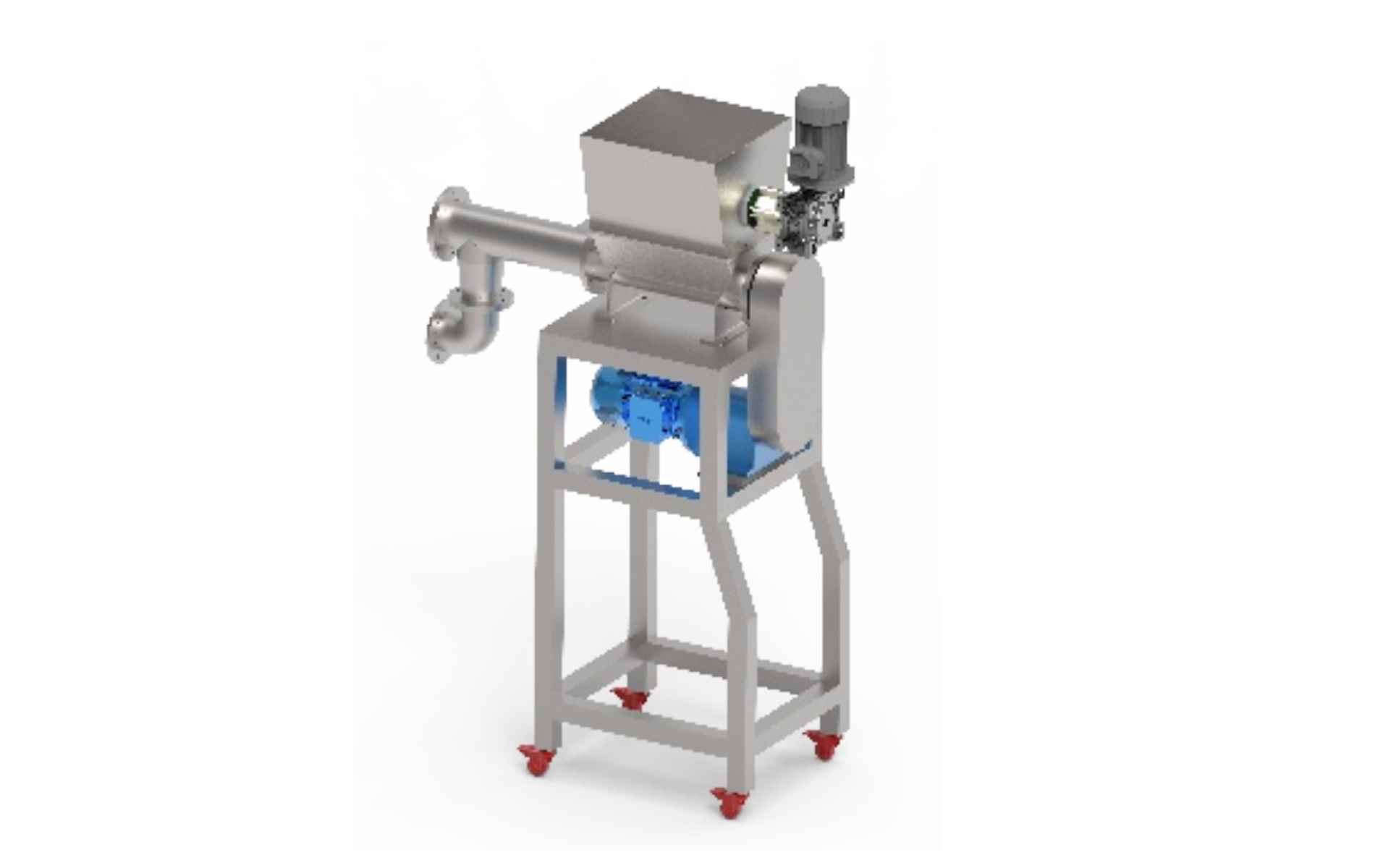
A dough pump is a food-grade pump, designed to move soft to stiff dough without damaging it, especially during pumping. These pumps are used to pump dough, because the dough has a high viscosity, compared to a liquid. They achieve an even flow, low air entrainment and steady feeding to downstream equipment.
These pumps are usually used on production lines and in industrial bakeries, where continuous operation is necessary.
Problems include the dough being subjected to excessive hand work or conventional equipment, leading to inconsistent texture, trapped air, contamination and delay. These problems are avoided by a dough pump.
Because of the scale of these operations, dough pumps are used to maintain constant production and minimize waste.
Key features that can improve the performance or increase the lifespan of a dough pump include:
1. Food-Grade Stainless Steel ConstructionDough pumps are mainly manufactured using SS 304 or SS 316 stainless steel. The material is chosen for its adherence to food safety regulations aimed at preventing product contamination and increasing pump durability.
2. Gentle Handling MechanismModern designs can preserve the shape of the dough better, and aerated or fermented dough relies more on shape to determine the final properties of the food.
3. Flow Control AdjustabilityOperators can adjust the flow rate, allowing it to connect to mixers, dividers, extruders, or depositor machines depending on the production process.
4. Easy Cleaning and MaintenanceHygiene is a very important engineering aspect of food production, and dough pumps are designed with smooth bore surfaces and easy disassembly.
5. Heavy-Duty Motor & Drive SystemDough pumps include powerful motors and gear mechanisms to allow for continuous use without overheating or losing efficiency.
Specialized pumps are used in some of these productions; several popular examples include the following dough pumps:
These work by trapping a set quantity of dough in a chamber and pushing it through a discharge pipe. They are ideal for thick, sticky dough.
Screw PumpsThe smooth movement of screw mechanisms makes them ideal for continuous processing lines.
Lobe PumpsSuch pumps are said to be gentle on the dough, with a low shear, and can be suitable for delicate or aerated dough.
The choice of type is dependent on dough consistency and the quantity and integration.
Advantages of Having a Dough Pump in Your Production Line
Additionally, this automation speeds up production by reducing idle time between tasks.
Reduced Labour CostsMinimizes manual handling, reducing dependency on manpower and fatigue.
Consistent Product QualityUniform feeding ensures identical shapes, textures and weights for the final product.
Improved HygieneClosed transfer systems reduce exposure levels, making it easier to comply with food safety regulations.
Energy EfficiencyModern dough pumps are designed for maximum energy efficiency, reducing the long-term costs of operating the machine.
Before you buy there are a few things to bear in mind:
If you buy from a reputable manufacturer, you are getting not just the machine, but complete technical support and aftercare.
Dough pumps have become a vital piece of equipment for every modern food processing plant that needs to handle dough quickly, efficiently and hygienically with high through-put rates smoothly while maintaining the correct flow rates and quality levels of the baked and snacked products.
When upgrading or automating your factory line, it is the best decision to invest in a good quality dough pump as this will ensure that you have a steady flow of dough every time, increasing productivity and achieving consistency in every product you make every time.