


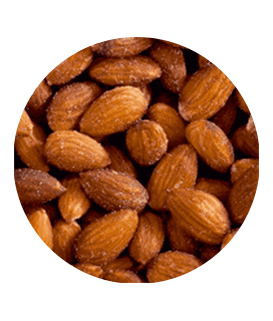
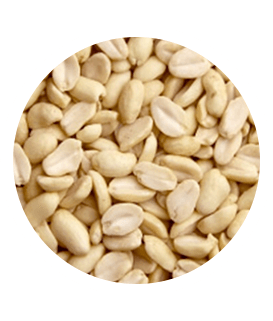
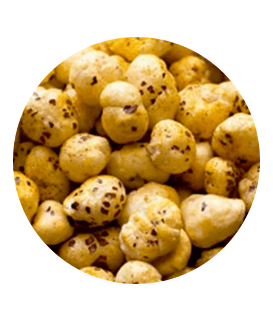
Batch Roaster can be used for controlled and uniform roasting of peanuts, cashew nuts, almonds, coffee beans, spices, pulses, seeds and snack ingredients.
Batch roasting systems, as opposed to continuous systems, roast a set volume at a time and allow better control of factors like temperature and time. Such machines are important for businesses that require a high level of precision and consistency.
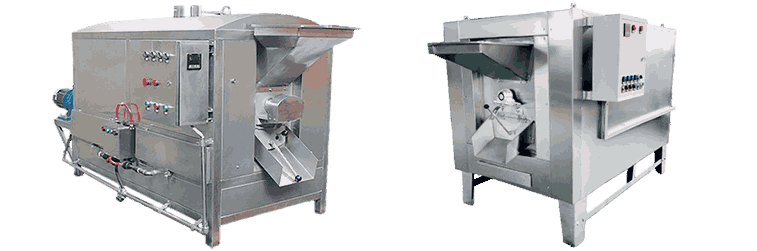

A batch roaster is a type of coffee roaster according to its batch production capacity.
Batch Roaster is an industrial roasting machine that operates in batch mode as opposed to continuous mode. In batch roasting, a fixed amount of material is loaded into a roasting chamber and heated at a controlled temperature for a fixed time.
Batch roasting is commonly used in snack food manufacturing units, spice processing plants and dry fruit processing industries in addition to coffee.
The purpose of the roasting chamber in both the rotary drum roasters and the tray roasting systems is to evenly circulate heat around the beans to obtain a uniform final product.
2. Adjustable Temperature ControlModern batch roasters with digital temperature controllers allow the operator to set the machine to a specific temperature for roasting, which helps develop color and flavor consistency.
3. Controlled Roasting TimeThe ability to adjust the length of the roast allows operators to control for product specifications and avoid under- and over-roasting.
4. Energy-Efficient DesignBatch roasters are usually more fuel or electricity efficient than smaller roasters, with insulated roasting chambers and more efficient gas burners or electric heaters.
5. Hygienic stainless steel constructionMost industrial batch roasters are made of food grade stainless steel to meet food safety and cleanliness standards and to have long service lives.
6. Easy Operation & MaintenanceFor the industry, the primary advantages of batch roasters are their simple control panels, loading and unloading mechanisms, and low maintenance.
Batch roasters come in a variety of sizes and are used in both small businesses and large food manufacturing plants.
When batch roasting is performed with the precise control that is characteristic of the process, the resulting product has a uniform colour, flavour, and texture.
Better Flavour DevelopmentThe nutty, buttery oils and flavors of nuts, seeds and beans can be improved with controlled roasting. Batch roasting allows for fine-tuning.
Flexibility in ProductionA major advantage for manufacturers is the ability to switch production between products or recipes without a major overhaul.
Reduced Product WastageSuch consistent conditions also prevent the product from being burnt and undercooked, which would otherwise lead to a loss in material.
ScalabilityBatch roasters come in a range of production capacities, which can be chosen according to production needs and scale.
The whole procedure is controlled by a control panel that allows the operators to monitor time and temperature.
Drum roasting rotates the food in a drum to provide even exposure to the heat and is used to roast nuts and snacks.
Tray-Type Batch RoasterProducts are placed on trays and roasted by hot air enveloping the tray.
Electrically Heated Batch RoasterThis is useful in small operations where gas or diesel agents are impractical.
Gas-Fired Batch RoasterVery energy-efficient, suited to medium- and large-scale operations.
The fast-paced food industry has placed demands on manufacturers for consistency, high quality, and efficiency that batch roasting machines provide through strict quality control and continuous operation.
Investing in a high-quality batch roaster is one of the first business investments that will improve your product quality and brand recognition.
Batch Roaster is one of the most important machines used in the food processing plants to provide a quality roasted food product with a required temperature, uniform roasting and in required quantity in the modern food production lines.
Whether you're packing nuts by hand in a small artisan shop or running a large-scale industrial food processing facility, batch roasters offer consistent performance and predictable results at an affordable price. When quality, efficiency, and flavor are essential to your business's success, a batch roasting machine is the answer.